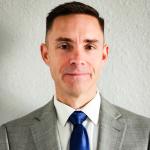
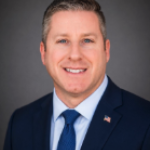
Assistant Special Agent in Charge Steven H. Fischer is assigned to the Dallas Field
Division and is responsible for directing and supervising enforcement supervisors in carrying out
criminal investigations and technical operations within Dallas and Tyler areas of North Texas.
ASAC Fischer was born and raised in New Jersey and holds a Bachelor Degree in
Sociology with a concentration in Criminal Justice Administration from East Stroudsburg
University in Pennsylvania. In 2007, ASAC Fischer started his federal law enforcement career as
an Immigration Enforcement Agent for Immigration and Customs Enforcement (ICE) in New
York City where he enforced immigration law against those who presented a danger to our
national security.
In February 2009, ASAC Fischer joined the Drug Enforcement Administration (DEA) as
a Special Agent and was assigned to Newark, New Jersey where he conducted complex
conspiracy investigations targeting translation criminal organizations and worked the newly
established Tactical Diversion Squad where he targeted the illegal sale and abuse of prescription
drugs by doctors and pharmacists.
In 2015, ASAC Fischer was assigned to the Lima, Peru Country Office and later
promoted to Group Supervisor in 2018 where he led partner nation police units focused on
dismantling networks responsible for primarily trafficking cocaine from the Peruvian jungle to
the United States and throughout the world. In 2021, ASAC Fischer transferred to the Dallas
Field Division where he oversaw conspiracy investigations on Mexican drug traffickers
responsible for transporting methamphetamine, cocaine, heroin, and fentanyl into the United
States via the southern border.
In 2024, ASAC Fischer was reassigned to the Office of Professional Responsibility in
Irving, TX where he investigated allegations of misconduct against DEA employees. Finally in
January 2026, ASAC Fischer was promoted to his current position in the Dallas Field Division.